
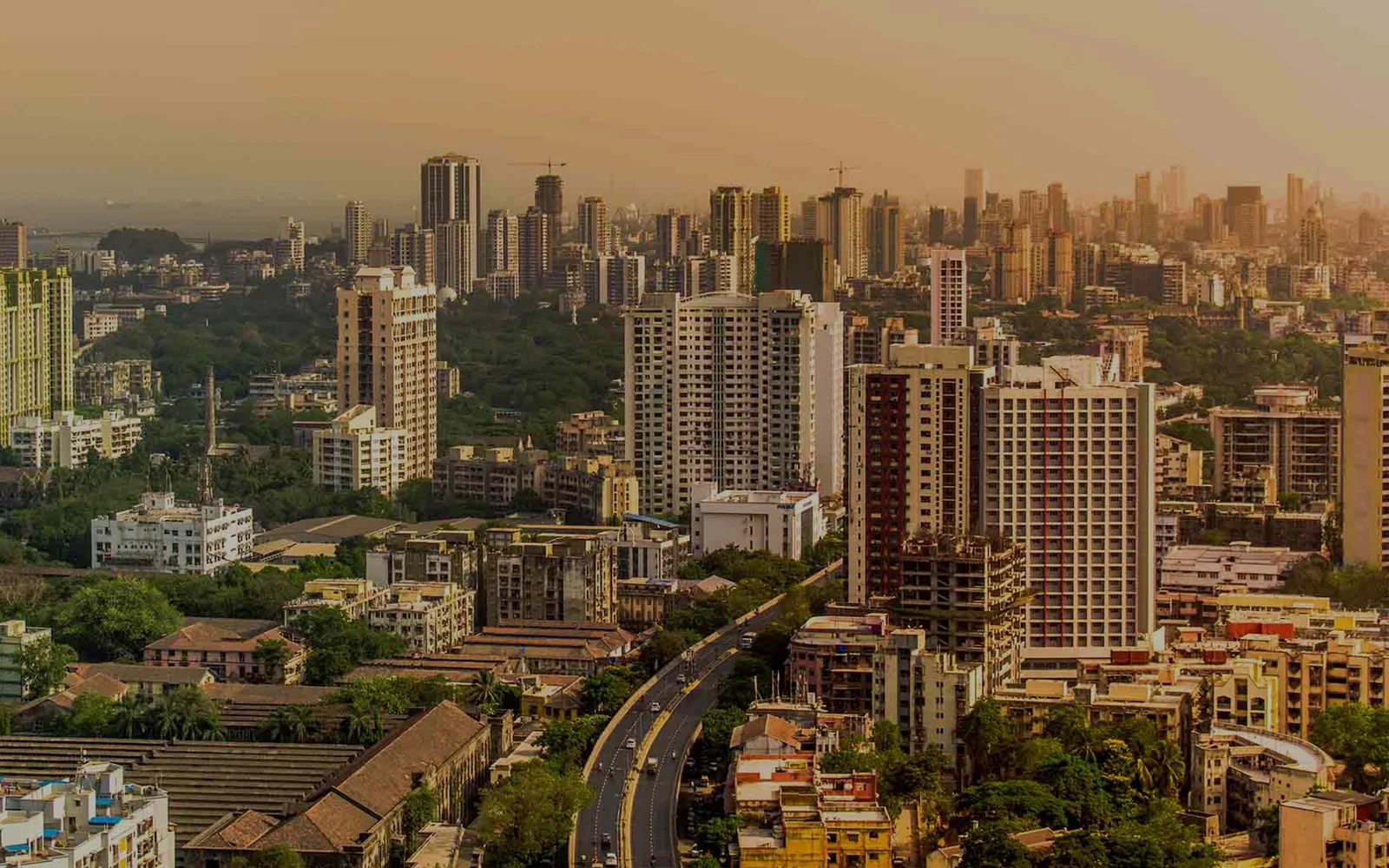
India is building at a scale few countries have experienced before.
New commercial districts are emerging. Transport networks are expanding. Existing neighbourhoods are being redeveloped. Cities are growing vertically, infrastructure is becoming smarter, and expectations around sustainability and quality of life are changing rapidly.
But the most important question is no longer simply:
What should we build?
The bigger question is:
What kind of India are we building?
The cities of tomorrow cannot be shaped by architecture, infrastructure, engineering or policy working independently. The future of the built environment depends on these disciplines coming together around a shared vision.
That is where the conversation needs to change.
From Iconic Buildings to Connected Cities
Architecture has traditionally been celebrated through individual buildings.
A striking tower.
A landmark cultural centre.
A transformative commercial development.
These projects remain important, but the success of a city depends on far more than the quality of individual structures.
A beautifully designed building still relies on transport connectivity, public infrastructure, water systems, energy networks, pedestrian access and the surrounding urban fabric.
This means architects, engineers, planners, developers, policymakers and infrastructure specialists increasingly need to think beyond the boundaries of individual sites.
The real opportunity lies in designing connected urban ecosystems rather than isolated projects.
Infrastructure Is Becoming Part of the Design Conversation
Infrastructure was once viewed largely as an engineering challenge.
Today, it is becoming a fundamental part of the design conversation.
Mobility influences how neighbourhoods grow.
Public transport influences density.
Water and energy systems influence resilience.
Digital infrastructure influences how buildings and cities operate.
Public spaces influence how communities interact.
When infrastructure planning and architectural thinking come together early in the development process, cities can become more efficient, adaptable and human-centred.
The future of urban development therefore requires a much stronger relationship between design thinking and infrastructure planning.
Sustainability Must Move Beyond the Checklist
Sustainability has become one of the most frequently used words in the built environment.
But the next stage of sustainable design requires moving beyond certifications and checklists.
The focus increasingly needs to be on measurable performance.
How much energy does a building consume?
How effectively does it respond to its climate?
Can materials be reused or recycled?
How much water can a development conserve?
Can the building adapt to changing needs over the next several decades?
And perhaps most importantly:
Does the project genuinely improve the lives of the people who use it?
Sustainability should not exist as a separate layer added to a project.
It should influence decisions from the earliest stages of planning and continue throughout the building’s entire lifecycle.
Redevelopment Will Define the Future of Many Indian Cities
India’s urban future will not only be created on new land.
A significant part of it will emerge through the transformation of existing neighbourhoods, buildings and infrastructure.
Redevelopment presents enormous opportunities.
Older areas can gain better infrastructure.
Underutilised land can support new economic activity.
Housing quality can improve.
Public spaces can be strengthened.
Cities can accommodate growth without expanding endlessly outward.
But redevelopment also brings difficult questions.
How do we preserve community identity?
How do we maintain affordability?
How can existing residents participate in the transformation?
How do we increase density without reducing quality of life?
Successful redevelopment will therefore require a balance between economic viability, social responsibility and thoughtful urban design.
Technology Should Make Cities More Human
Technology is rapidly changing the way the built environment is designed and operated.
Artificial intelligence can assist design decisions.
Digital twins can simulate building and infrastructure performance.
Smart building systems can reduce energy consumption.
Data can help cities understand mobility, utilities and public-space usage.
Advanced construction methods can improve speed and efficiency.
But technology should never become the objective itself.
The most successful technological innovation will be the kind that becomes almost invisible — quietly helping cities operate better while improving the everyday experience of the people living within them.
The goal is not simply to create smarter cities.
It is to create better cities using smarter tools.
The Human Experience Must Remain at the Centre
Cities are ultimately built for people.
And yet the human experience can sometimes become secondary when discussions become dominated by density, efficiency, infrastructure and economics.
A successful city must also consider something much simpler:
What does it feel like to live there?
Can people walk comfortably?
Are public spaces welcoming?
Can children and elderly residents navigate neighbourhoods safely?
Are communities connected?
Is nature integrated into everyday life?
Does the built environment create a sense of belonging?
Some of the most meaningful improvements to cities may not involve spectacular architecture.
They may come from better streets, shaded walkways, thoughtful public spaces, accessible transport and neighbourhoods designed around everyday human behaviour.
Building the Future Requires Collaboration
No single profession can solve the challenges facing rapidly evolving cities.
Architects understand space and experience.
Engineers understand performance and systems.
Developers understand feasibility and delivery.
Policymakers shape the frameworks within which development happens.
Technology companies introduce new capabilities.
Sustainability experts evaluate long-term impact.
Urban planners connect these elements at the scale of the city.
The future will depend on bringing these perspectives together much earlier.
Because the most important decisions about the built environment often happen long before construction begins.
A Bigger Conversation About What India Builds Next
India has an extraordinary opportunity.
The infrastructure, buildings and neighbourhoods being created today could shape everyday life for generations.
That makes the current moment about much more than construction.
It is about deciding what values the next generation of Indian cities should represent.
Resilience.
Inclusivity.
Performance.
Sustainability.
Identity.
Quality of life.
These conversations cannot happen in isolation.
They require people from across architecture, engineering, construction, development, infrastructure and public policy to share ideas, challenge assumptions and create new possibilities.
Because building India’s future is not simply about building more.
It is about building better, thinking bigger and creating places that genuinely matter.